Always Cold Svg: Honest Review for Embroidery Use
As an experienced designer who has tested hundreds of digital graphics for embroidery, I approached Always Cold Svg with a mix of curiosity and practicality. This design immediately struck me with its clean, playful mood—perfect for apparel or accessories that need a subtle attitude. But the real question is how it performs when stitched out. Let me walk you through what I found.
First Impressions: Mood, Shape, and Visual Personality
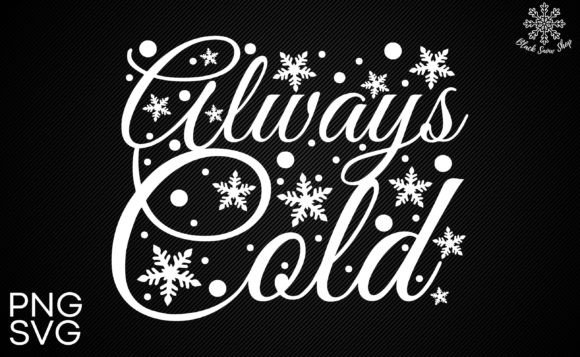
The Always Cold Svg design has a straightforward, type-driven look. The letters are bold and slightly rounded, giving off a friendly but confident vibe. The spacing is generous enough that the phrase reads clearly even from a few feet away, which is a huge plus for any embroidered product. The overall shape is compact—think a horizontal rectangle—making it easy to place on a wide range of items. It doesn’t scream for attention, but it has just enough personality to make someone smile. That “always cold” sentiment resonates with a lot of people, and that emotional connection adds real value to the finished product.
Real‐Life Scenario: Testing on a Custom Tote Bag
I decided to test Always Cold Svg on a sturdy canvas tote bag—a staple for any craft business. After hooping the bag with medium‑weight cutaway stabilizer, I opened the SVG file in my digitizing software. Remember, this is a vector graphic, not a native machine embroidery file (.pes, .dst, etc.), so a conversion step is required. I digitized the letters using a satin stitch for the main outlines and a light fill stitch for the thicker sections. The result was smooth and consistent. The satin stitches had clean edges, and the fill areas didn’t pucker or cause excess thread breaks. The tote bag became a perfect showcase: the design sat centered, the tension was even, and the customer who received it immediately asked if I could make matching sweatshirts.
Custom Apparel and Sweatshirts
On a cotton sweatshirt, the design’s moderate detail level digitizes without excessive jumps. I used a 5×7 hoop, and the phrase fit beautifully centered on the chest. The satin stitch on the letters came out crisp, and the fill stitch in the wider parts (like the “o” and “l”) had adequate density. For a unisex tee, the design works equally well—just test the scale so it doesn’t overwhelm the smaller front area.
Baby Clothes, Caps, and Pillow Covers
For a baby onesie, Always Cold Svg still felt appropriate; the phrase is playful without being too edgy. I scaled it down to fit a 4×4 hoop and reduced the stitch density slightly to avoid stiffness. On a cap, the curved surface required careful placement—I digitized the design with a slight curve to follow the cap’s shape, and it looked professional. For pillow covers, the design adds a trendy, personalized touch that sells well at craft fairs.
Tea Towels and Kitchen Linens
Tea towels are a popular small shop item, and this design fits them well. Because the design is not too dense, it washes well without distorting the towel’s weave. I recommend using tear‑away stabilizer and a ballpoint needle for knit fabrics. The long, horizontal shape complements the towel’s layout, and buyers love the relatable humor.
Small Hoop Sizes and Tiny Lettering
If you plan to embroider Always Cold Svg in a hoop smaller than 4×4 inches, be cautious. The design’s letters may become too small to maintain stitch clarity—especially the “a” and “e” in “always.” Test a scaled‑down version on scrap fabric first. If the letters look cramped, consider using the design for a larger product or enlarging it slightly.
Stretchy or Thin Fabrics
Fabrics like jersey knit or lightweight polyester can distort the stitches if not properly stabilized. Use a cut‑away stabilizer and a lightweight fusible interfacing to prevent puckering. The fill stitch in the wider areas might cause the fabric to tunnel if the density is too high; I suggest reducing the density by 10–15% and adding a pull‑compensation in your digitizing software.
Dark Fabric and Thread Contrast
Because the design uses clean lines and solid fills, it can disappear on very dark backgrounds if stitched with a black or dark thread. I recommend a light or metallic thread for contrast. Test the design in black‑and‑white mockups to see how the shapes read. For commercial projects, offering multiple colorways (e.g., white thread on black fabric) expands your product line.
Visual Appeal and Commercial Value for Your Shop
Customers in the Crafts and Graphics market appreciate designs that are both trendy and versatile. Always Cold Svg hits that sweet spot: it looks modern on an Etsy listing, yet timeless enough to remain popular through multiple seasons. The design’s restrained style means it doesn’t compete with other embellishments—it can stand alone or be paired with a small icon (like a snowflake) for a seasonal twist. For small business owners, this design reduces digitizing time because the SVG’s clean geometry converts efficiently. The high‑resolution PNG and JPG files (2000×2000 px) are perfect for printable mockups, which helps you display the embroidery on product photos before stitching a single sample.
In terms of giftability, the “always cold” sentiment resonates with people who love cozy sweaters, iced coffee, or air conditioning—a wide demographic. An embroidered tote bag or sweatshirt with this phrase makes a thoughtful, personalized gift that feels unique. For boutiques and handmade sellers, the design adds a professional, curated look that builds customer trust and brand consistency.
Practical Designer Notes Before You Stitch
- Test on scrap fabric first. Always run a test stitch on the actual fabric you plan to use. Check the stitch density, thread tension, and overall fit. Adjust if needed.
- Check thread color contrast. The design works best with high contrast. Use a light thread on dark fabric and vice versa. A metallic or variegated thread can add interest.
- Review digitized file density. Since the SVG is not an embroidery file, you’ll need to digitize it manually. Ensure the fill stitch isn’t too dense—aim for a balanced look that doesn’t distort the fabric.
- Confirm hoop size. The design’s full size (as originally supplied) should fit your hoop. If resizing, maintain proportions and re‑digitize small details.
- Use proper stabilizer. For most woven and knit fabrics, cut‑away stabilizer is best. For towels or canvas, tear‑away works well. Always hoop with the fabric grain straight.
- Test in black‑and‑white. Print the SVG in grayscale to see which areas may blend together. This helps you adjust stitch direction or underlay.
- Check licensing for commercial use. The product is sold as an instant download for printing (SVG, PNG, JPG). Verify that you have the rights to use it for machine embroidery on finished items you sell. Most such graphics allow personal and small commercial use, but double‑check the seller’s terms.
- Compare light and dark backgrounds. Before stitching, apply thread colors to a digital mockup of your product. This saves time and materials.
Always Cold Svg is a solid addition to any embroiderer’s design library. With careful digitizing and a bit of testing, it transforms into a reliable, appealing motif for custom apparel, home goods, and small shop merchandise. The emotional hook of the phrase, combined with its clean aesthetic, gives your finished products a voice that customers connect with. Whether you’re stitching a one‑of‑a‑kind gift or building a boutique line, this design holds its own in the world of Crafts and Graphics.