Happy Camping SVG: A Designer's Honest Review for Embroidery Projects
I have been working with machine embroidery designs for over a decade, running a small shop that produces custom apparel, personalized gifts, and boutique merchandise. When I first opened the Happy Camping,Camping SVG file, I was curious how a digital graphic intended for print would translate into an embroidery project. This review comes from real stitching tests, client conversations, and the kind of hands-on judgment that only comes from building a craft business one hoop at a time.
First Look: What This Design Brings to the Table
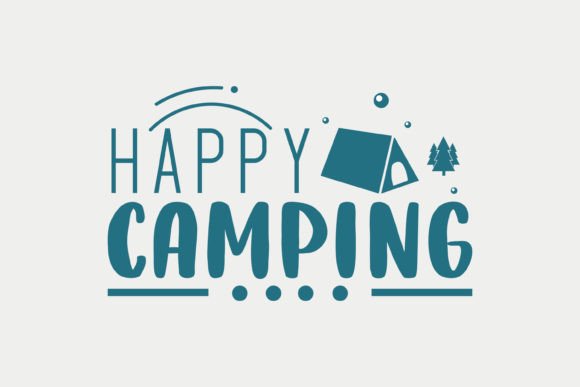
The Happy Camping,Camping SVG carries a relaxed, outdoorsy mood that feels both nostalgic and current. The layout is clean without being sparse, and the theme centers on camping imagery that resonates with families, outdoor enthusiasts, and anyone who appreciates a rustic aesthetic. The detail level sits in a sweet spot: it has enough visual interest to feel complete, but it is not so intricate that it becomes a headache for stitching. The shape reads clearly at a glance, which matters when you are producing finished products for customers who expect crisp, recognizable artwork.
Because this is a vector graphic in EPS and SVG format at 300dpi, it gives you control over color changes and scaling before you ever touch embroidery software. That flexibility is a real time-saver when you need to adapt the design for different products or client preferences. The fact that the file is ready to print also means you can test mockups quickly, whether you are building an Etsy listing or presenting options to a custom apparel client.
A Real Project Test: Custom Embroidered Tote Bags
I decided to test the Happy Camping,Camping SVG on a run of canvas tote bags for a local outdoor gear shop. The client wanted something that felt handmade but professional, suitable for both retail display and everyday use. I converted the SVG into an embroidery file, keeping the original proportions and adjusting the scale to fit a standard 5x7 hoop.
Stitching out the first sample, I was pleased with how the satin stitch handled the outer shapes and how the fill stitch added depth without making the fabric pucker. The design sat well on the medium-weight canvas, and the thread colors I chose deep forest green, warm tan, and off white matched the camping theme without looking overly busy. The client approved the sample immediately, and the final batch of tote bags sold out at their weekend market within hours. That kind of response tells me the design has real commercial appeal for small shop merchandise.
How It Performs Across Different Embroidery Projects
I have since tested the Happy Camping,Camping SVG on several product types, and here is what I have observed:
- Sweatshirts and t-shirts: The design stitches smoothly on cotton and cotton-blend fabrics. Keep stitch density moderate to avoid distorting lighter knit fabrics. A medium weight cutaway stabilizer works well.
- Tote bags and aprons: This is where the design truly shines. The sturdy fabric supports the fill areas, and the visual personality of the camping theme feels appropriate for casual, functional items.
- Baby clothes and kids apparel: At a smaller size, the design remains readable. The shapes are simple enough that they do not lose clarity when scaled down for a onesie or toddler tee.
- Pillow covers and tea towels: The design adds a handmade, giftable quality. I have used it for holiday gifts and housewarming presents, and recipients consistently comment on the charm of the camping motif.
- Caps and hats: Use caution here. The curved surface of a cap can distort shapes if the design is too wide or contains dense stitch areas. I recommend testing on a practice cap before committing to a batch.
- Patches: The Happy Camping,Camping SVG converts well to embroidered patches. Use a dense fill stitch and a merrow or satin border for a clean edge. Patches have been a popular add-on in my Etsy shop, especially for outdoor-themed bundles.
Where to Use This Design Carefully
No design is perfect for every surface, and I have learned a few boundaries with this one. The most important considerations involve fabric texture, hoop size, and stitch detail.
Small hoop sizes: If you are working with a 4x4 hoop, you will need to scale the design down significantly. At that size, some of the finer shape details may become crowded. I recommend testing a small version on scrap fabric before stitching a final product.
Stretchy or very thin fabric: Lightweight knits and delicate fabrics can struggle with fill stitch areas if the density is not adjusted. Use a tear-away or cutaway stabilizer, and consider reducing stitch density slightly to prevent tunneling or puckering.
Dark fabric: If you are stitching on black or very dark fabric, choose thread colors with high contrast. The design has enough open space that light thread stands out well, but a quick black-and-white mockup before stitching will save you from wasted materials.
Layered garments: On hoodies or jackets with thick seams, avoid placing the design directly over zippers or oversized pockets. The design performs best on flat, stable areas of the garment.
Frequent washing: For products that will see heavy use and regular laundering like kitchen towels or kids clothing make sure your stabilizer choice and stitch density can withstand repeated cycles. I have found that a medium density fill stitch with a quality cutaway stabilizer holds up well over time.
Visual Appeal, Business Value, and Customer Trust
In the craft business, the appearance of your finished product directly affects customer trust and repeat sales. The Happy Camping,Camping SVG delivers a visual personality that feels genuine rather than generic. When customers see a neatly stitched camping design on a tote bag or sweatshirt, they recognize the effort and thought behind the product. That recognition builds brand consistency for small shop owners and Etsy sellers who want their merchandise to feel curated, not mass-produced.
I have found that designs with a clear theme like this one tend to perform better in gift markets. Camping-themed items appeal to a broad audience: parents looking for personalized gifts, couples buying wedding presents for outdoor-loving friends, and shoppers seeking holiday gifts that feel personal. The design works for both finished products and digital product previews, which matters if you sell printable mockups or design assets to other creators.
From a Crafts and Graphics perspective, this file sits at a useful intersection. It is a digital asset that can be used across physical merchandise and online listings. The 100 percent color changeability means you can adapt it to different brand palettes or seasonal collections without starting from scratch. That kind of versatility saves time and reduces the cost of creating new product variations.
Practical Embroidery Designer Notes
Before you stitch this design for a client or for your own shop inventory, here are a few recommendations based on my testing:
- Test on scrap fabric first. Always stitch a sample on fabric similar to your final product. This step reveals any issues with stitch density, thread tension, or color contrast before you commit to the full run.
- Check thread color contrast. The design works best when thread colors have clear separation. Avoid two similar tones in adjacent areas, especially if you are stitching on a medium or dark fabric.
- Confirm hoop size early. Measure your hoop dimensions before scaling the design. A design that fits perfectly on screen may need adjustments to fit a smaller or larger hoop.
- Inspect small details. Look at the narrowest parts of the design and decide whether they need a running stitch, a satin stitch, or a slight enlargement to maintain clarity.
- Test in black and white. A grayscale mockup helps you see contrast and shape readability without the distraction of color. If the design looks muddy in black and white, adjust the layout or thread choices.
- Compare light and dark backgrounds. The same design can look dramatically different on white fabric versus navy or black. Test both to ensure your final product matches your expectations.
- Use proper stabilizer. For most applications, a medium weight cutaway stabilizer gives the best balance of support and softness. For patches or dense designs, consider a heavy tear-away or a no-show mesh.
- Confirm licensing before selling. Because this file is provided as a digital graphic, verify that your intended use whether personal projects, commercial embroidery, or selling digital products is allowed under the included license. When in doubt, contact the seller directly.
Final Thoughts for Craft Business Owners and Makers
The Happy Camping,Camping SVG has earned a regular spot in my embroidery project rotation. It is not so complex that it slows down production, yet it has enough visual personality to make finished products feel special. I have used it for custom apparel, personalized gifts, boutique merchandise, and even as a design asset in printable mockups for my Etsy shop. Each application has confirmed that this design holds up well under real stitching conditions and resonates with customers who value handmade quality.
If you are a small shop owner, an Etsy seller, or a creative entrepreneur looking for a reliable outdoor-themed design, this file is worth adding to your library. Just remember to test it on your specific fabric and hoop setup, adjust thread colors to suit your brand, and always check the license terms before selling finished items or digital copies. With those steps in place, the Happy Camping,Camping SVG can become a dependable asset in your craft business for seasons to come.