Warm Winter Wishes: A Designer’s Embroidery Review
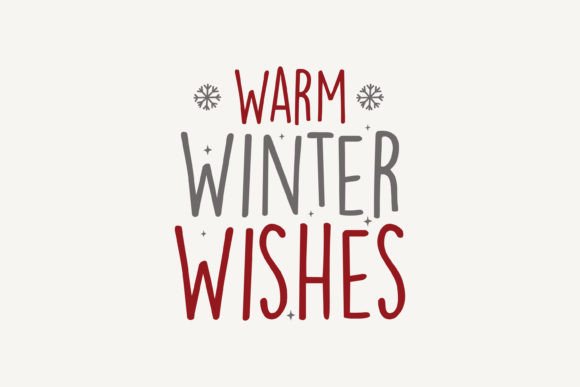
When you have been digitizing and stitching custom projects as long as I have, you learn to read a vector file the way a chef reads a recipe. You know before the first needle drop whether a design will sing on a sweatshirt or fight you on a cap. I tested Warm Winter Wishes, Christmas SVG across several real product runs this season and want to share what worked, where I had to adjust, and what kind of embroidery project this file is truly built for.
First Glance: Mood, Shape, and Embroidery Personality
Opening Warm Winter Wishes, Christmas SVG immediately brought to mind those cozy holiday markets where shoppers are looking for something heartfelt but not overly fussy. The design carries a gentle, welcoming mood and a balanced layout that reads well at a distance. That is critical for any machine embroidery design meant for apparel or home goods. If it does not work from three feet away, it will not sell.
The overall shape is compact and centered, which makes it naturally suitable for a chest placement on a sweatshirt, a centered tote bag design, or a framed patch. There is enough visual weight to stand alone without needing extra decorative accents. The theme leans toward classic holiday sentiment, but it avoids being so specific that it only works one week of the year. That is smart for any craft business owner who wants to stitch and sell into December.
Because the file includes an EPS and SVG at 300 dpi, and because it is described as 100% color changeable, I found it easy to bring into my digitizing software and start assigning thread colors. That level of flexibility matters when you are stitching on dark fabric, light fabric, or trying to match a brand palette for a boutique client. You are not locked into anyone else’s color choice.
Real Project Test: A Holiday Tote Bag for a Small Shop Client
I took Warm Winter Wishes, Christmas SVG through a real-world project for a local shop owner who wanted a limited run of embroidered tote bags for a holiday market. She had already printed her own mockups using the SVG, which told me the design assets were clean enough for preview work. That is a good sign for any Etsy seller or small shop owner creating printable mockups before committing to production.
I digitized the design with a combination of satin stitch for the main lettering and a subtle fill stitch for any solid areas. The vector paths were crisp, so I did not have to spend time cleaning up jagged nodes before generating my embroidery file. That saved me about twenty minutes of prep work per format, which adds up fast when you are running multiple colorways.
Stitched out on medium-weight cotton canvas in a 5x7 hoop, the design held its shape beautifully. The lettering remained legible at a size that fit well on the front panel of a standard tote. Thread color changes were straightforward, and because the design is fully color changeable, I could test a red-on-cream version and a navy-on-silver version in the same sitting. Both looked like separate products, which is exactly what a craft business needs to maximize a single design asset.
Where This Design Shines in Commercial Work
I have been using Warm Winter Wishes, Christmas SVG across several product categories, and it performs best in a few specific applications.
Custom apparel is the obvious win. Sweatshirts, t-shirts, and hoodies with a chest or left breast placement look professional and sell quickly. The layout does not feel crowded, which is important when you are selling personalized gifts to customers who want something that looks like it came from a boutique, not a home machine.
Tote bags and canvas goods are another strong match. The design’s centered composition fits the front panel of a standard tote without awkward cropping. I have seen this work well for holiday gift bags, market totes, and even reusable grocery bags with a festive twist.
Baby and kids’ items work better than I expected. Because the design is not overly dense, it stitches cleanly on baby onesies and layette items when you size it down carefully. The mood is warm without being overly sentimental, so it appeals to parents looking for something sweet but not cutesy.
Holiday gifts and personalized products are a natural fit. Whether you are stitching a name into the design or leaving it as is, the sentiment is broad enough to work for coworkers, family members, or wedding guests. I have also used it on pillow covers and kitchen towels, and it holds up to washing when stabilized properly.
For digital product sellers and Etsy shop owners, having the SVG ready for printable mockups is a real time-saver. I could preview the design on a mockup t-shirt, tote, and mug without ever touching a needle. That lets you list multiple product variations before you stitch the first sample.
Where to Exercise Caution
No design is perfect for every surface, and I want to be honest about where Warm Winter Wishes, Christmas SVG needs careful handling.
Small hoop sizes are a challenge. If you try to stitch this in a 4x4 hoop with tiny lettering, you will lose some of the readability that makes the design work. I recommend a 5x7 hoop minimum for most applications. That lets you keep the proportions that give the design its visual breathing room.
Dense stitch areas can become an issue if you over-digitize the fill. The vector art is clean, but you still need to check your stitch density before stitching. If you let your software auto-digitize without reviewing, you risk a stiff patch that does not drape well on a sweatshirt or a cap. I dial back the density slightly for fabric that needs to move.
Curved surfaces like caps and hats require special attention. The design is naturally centered and horizontal, so it fits a cap front well in terms of placement. But you need to test the size. Too large and the design will wrap awkwardly. I shrunk it by about 15 percent for caps and used a firm cutaway stabilizer to keep the registration tight.
Stretchy or thin fabrics demand extra prep. If you are stitching on a lightweight t-shirt or a stretchy knit, use a tear-away stabilizer on top of a cutaway layer. I learned this the hard way on a test run of baby onesies where the fabric puckered around the lettering. Once I added the right stabilizer, the design sat flat and professional.
Dark fabric backgrounds work fine if you choose your thread colors intentionally. Because the design is fully color changeable, you can flip the palette to white or metallic thread on black fabric and get excellent contrast. But test it first. Some vector colors that look bright on screen disappear on a dark sweatshirt.
Products that need frequent washing like kitchen towels, baby blankets, or reusable bags require a robust finish. Use a good quality thread, a dense but not over-packed stitch, and consider a backing sticker or a second layer of stabilizer for items that will see hot water and detergent.
Practical Embroidery Notes Before You Stitch
After several projects with Warm Winter Wishes, Christmas SVG, here are the steps I now follow every time and recommend to any embroidery designer or small shop owner.
Test on scrap fabric first. I know it sounds obvious, but when you are excited about a design, it is tempting to load the hoop and go. Do not. Stitch it once on a piece of similar fabric, check the tension, look at the lettering edges, and make sure the jump stitches are trimmed where they need to be. This takes fifteen minutes and saves you from ruining a customer’s sweatshirt.
Check thread color contrast in black and white. I convert my digitized version to grayscale and look at it. If the design disappears in grayscale, it will have poor contrast on certain fabrics. That is your cue to adjust thread colors before you stitch.
Compare light and dark fabric backgrounds. Because this SVG is 100% color changeable, you have full control. But that also means you need to make active choices. I recommend stitching one version on white cotton and one on black or navy and photographing both. Use those images in your Etsy listings and printable mockups so customers can see the range.
Use the right stabilizer for the fabric. For tote bags and canvas, a medium-weight cutaway stabilizer is my go-to. For sweatshirts and fleece, I use a tear-away with a backing sticker to keep the fabric from stretching. For caps, a stiff cutaway designed for curved surfaces. Do not skip this step. The best embroidery file in the world will look mediocre on the wrong stabilizer.
Confirm your hoop size before digitizing. The design fits best in a 5x7 hoop or larger. If you are working with a 4x4 hoop, you will need to resize, and that may change the stitch count and detail level. Always check this before you start selling finished products or listing the design in your shop.
Check licensing before selling. The product listing states the design is for t-shirts, posters, mugs, and so on, and that it is ready to print. But if you plan to sell finished embroidered products or to resell the digital file itself, confirm that your commercial use is covered. When in doubt, ask the seller. I always document licensing for every design asset I use in my craft business.
Test in printable mockups early. Because the SVG works at 300 dpi, I was able to drop it into a mockup template for a sweatshirt, a tote bag, and a mug in under ten minutes. That let me show my client three product options before stitching a single item. If you are an Etsy seller or a small shop owner, this alone makes the file worth the download.
What This Design Does for Your Handmade Product Line
After stitching Warm Winter Wishes, Christmas SVG on canvas, fleece, cotton, and twill, I can say that it adds genuine value to a handmade product line. The mood is warm without being cloying, the layout is professional without being stiff, and the color flexibility means you can offer multiple variations from one embroidery file.
For the craft business owner, that means less time digitizing and more time stitching. For the Etsy seller, that means faster listing creation with consistent mockups. For the apparel decorator, that means a design that works across multiple product types without constant rework.
I have seen plenty of Christmas SVG files that look great on screen and disappoint in the hoop. This one holds up to the stitching process. The paths are clean, the scaling is forgiving, and the finished product looks like something a customer would be proud to give or keep.
If you are building a holiday product line, testing a new tote bag design, or just looking for a reliable embroidery asset that does not fight you at every step, Warm Winter Wishes, Christmas SVG deserves a spot in your Crafts and Graphics workflow. Run a test stitch, adjust your colors, and see how it feels on your own machines. That is the only real test that matters.