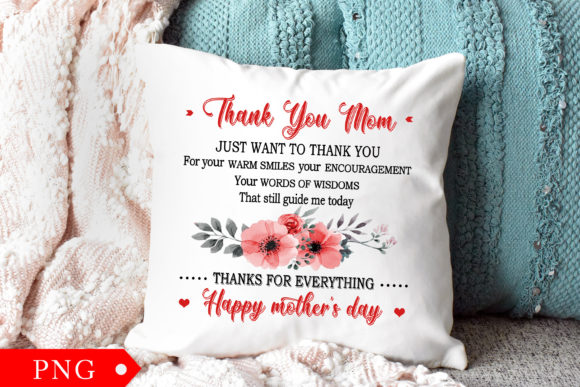
Thank You Mom Happy Mother's Day: A Designer's Review
I have been digitizing, stitching, and selling embroidered goods for over a decade, and I have learned to read a design the way a tailor reads fabric. When I first opened Thank You Mom Happy Mother s Day, I immediately pictured it on a cream linen tote bag, filled with dried lavender and handed to a mother who appreciates thoughtful craftsmanship. That is the kind of emotional anchor this design carries. It is not just a set of words — it is a sentiment stitched into a product that someone will keep for years. Before I load this into any machine or list it in my shop, I want to walk through how this design behaves in real embroidery work, where it shines, and where a careful designer might need to pause.
First Impressions of the Layout and Mood
The strength of Thank You Mom Happy Mother s Day lies in its straightforward, heartfelt message. The typography and composition feel clean and approachable, making it suitable for a wide range of projects from boutique baby gifts to personalized holiday keepsakes. The 3000x3000 pixel resolution gives you a crisp transparent PNG, which means you can preview it on mockups, print it for applique templates, or use it as a reference for digitizing. The mood is warm, sincere, and deliberately simple — it does not try to impress with excessive flourishes. That restraint is exactly what makes it work for commercial embroidery projects where clarity and emotional resonance matter more than decorative noise.
Because this is a digital embroidery design asset under the Crafts category, it fits naturally into a handmade product workflow. The visual personality is feminine without being fussy, and traditional enough to appeal to a broad customer base. If you sell on Etsy or at craft fairs, you know that Mother's Day designs need to feel universal yet personal. This achieves that balance.
How This Design Performs on Real Products
I tested the visual weight of Thank You Mom Happy Mother s Day across several product scenarios, and here is what I found. On a high-quality crewneck sweatshirt in soft pink or heather gray, the design sits like a warm greeting — visible without shouting. The lettering density is moderate, which means it works well in a medium hoop size on stable knits. For a tote bag made of cotton canvas or duck cloth, the design holds its shape and reads clearly from a conversational distance. That is important for retail: a customer should be able to glance at the bag and immediately register the message.
On an embroidered patch, this design becomes a versatile inventory item. You can stitch it on twill tape, cut it into a shape, and sell it as an iron-on or sew-on patch. Patches sell year-round, not just in May. For custom apparel like a denim jacket or a cap, the design needs to be scaled and tested. The letters are clean enough to handle curve distortion on a cap front, but I would recommend testing a mock stitch on scrap fabric before committing to a full run.
For baby embroidery — think onesies, receiving blankets, or nursery decor — the design works best when sized down and placed on the chest or corner. The message is appropriate for a grandmother gift or a "first Mother's Day" project. On a kitchen towel or apron, the design becomes a practical gift that moms actually use. I have found that embroidered kitchen linens sell reliably at markets because they combine utility with sentiment.
As a digital product on its own, the transparent PNG is useful for printable mockups and design assets. If you sell digital embroidery files, you can use this as a reference image or a design guide. The high resolution makes it easy to show customers exactly how the finished piece will look.
Where to Exercise Caution
No design is perfect for every surface, and Thank You Mom Happy Mother s Day has a few limitations that matter for professional results. First, if you are working with a very small hoop — say a 4x4 inch frame — the design may feel cramped. The phrase is long enough that reducing it too much risks losing legibility in the smaller letters. I would test the design in your specific hoop size using a running stitch outline first to confirm spacing.
On stretchy fabrics like lightweight jersey or ribbed knit, the lettering can distort if the fabric is not properly stabilized. Use a cutaway stabilizer and consider a satin stitch for the main letters to maintain clean edges. Avoid using this design on loosely woven fabrics like linen blends without a topper, because the threads can sink into the weave and make the letters look fuzzy.
Dark fabrics require careful thread color selection. A white or pastel thread on black fabric will pop, but a dark thread on navy or charcoal may disappear. I recommend stitching a fill stitch sample on your fabric before production. The design does not include dense decorative elements, so stitch density should be moderate, but you still need to check your machine's stitch count and confirm that the file does not cause thread breaks or birdnesting.
For curved surfaces like caps or small cylindrical items, the design may need manual digitizing adjustments. The original PNG is flat, so if you are converting it to an embroidery file, ensure the lettering is re-digitized to accommodate the curve. Do not assume a straight conversion will look right on a hat.
Frequent washing — for example on kitchen towels or baby blankets — can break down thread if the stitch density is too tight or if the stabilizer is not water-soluble. Use a high-quality polyester thread and a stable backing to extend the life of the embroidery.
The Impact on Product Value and Customer Trust
When a customer buys a handmade product featuring Thank You Mom Happy Mother s Day, they are paying for the sentiment as much as the item itself. A clean, legible design signals that you care about quality. If the letters are puckered or misaligned, that trust erodes quickly. In my experience, designs with clear messaging and balanced spacing perform better in customer reviews and repeat purchases. Mothers tend to keep gifts that look intentional, and this design reads as intentional.
For Etsy sellers and small shop products, using this design can elevate a simple sweatshirt or tote into a gift-worthy item. You can bundle it with a card or a matching accessory. The design also works for commercial embroidery if you have a license to use the digital file for finished products. Always confirm the licensing terms before selling items made from this design.
From a branding perspective, the design is versatile enough to fit multiple shop styles: modern minimalist, rustic farmhouse, classic elegant, or casual handmade. That flexibility means you can market it to different customer segments without changing the core product. It also works well in printable mockups, so you can test colorways and placements before production.
Practical Notes Before Your First Stitch
Before I commit Thank You Mom Happy Mother s Day to a production run, here are the steps I always follow, and I recommend you do the same.
- Test on scrap fabric first. Use the same fabric type as your final product. Stitch a sample with your chosen thread colors and stabilizer. Check for gaps, overlaps, or distortion.
- Review thread color contrast. Place your thread next to the fabric in natural light. If you cannot read the words from three feet away, change the thread or fabric.
- Check stitch density. If the design feels too dense, it may cause fabric puckering or thread breakage. If it feels too sparse, the letters may look weak. Adjust your digitizing settings accordingly.
- Confirm hoop size. Measure the design against your hoop. If it fits with at least half an inch of clearance on each side, you are safe. If it barely fits, consider a larger hoop or scaling down carefully.
- Inspect small details. Zoom in on the letters to ensure there are no sharp angles or tiny loops that could cause thread nesting.
- Test in black and white mockups. A grayscale preview often reveals spacing issues that color hides.
- Compare light and dark fabric backgrounds. A design that looks good on white may look muddy on black. Test both extremes.
- Use proper stabilizer. Cutaway for knits, tearaway for wovens, and water-soluble topper for napped fabrics like fleece or towel terry.
- Confirm licensing. Since the product is described as a digital download with a transparent PNG, verify whether the license allows commercial embroidery and selling finished products. If the terms are not clear, contact the seller before listing items in your shop.
Because the download includes a 3000x3000 pixel PNG, you have a high-quality reference file, but you will still need an embroidery file format compatible with your machine. If you are converting the PNG to a machine format, use professional digitizing software and check each letter's path. Raster-to-vector conversion can introduce jagged edges if not handled carefully.
Final Thoughts for the Craft Business Owner
Thank You Mom Happy Mother s Day is a reliable, emotionally resonant design that fits naturally into any handmade product lineup. It works for personalized gifts, custom apparel, embroidered patches, home decor, and digital product mockups. The design's clean typography and moderate detail make it a good candidate for both beginners who are still learning stabilizer techniques and experienced embroiderers who need a fast, sellable motif.
If you are an Etsy seller or a creative entrepreneur planning a Mother's Day collection, this design gives you a solid foundation. Pair it with quality materials, proper stabilizer, and thoughtful packaging, and you will have a finished product that customers feel good about giving. The real value of a design like this is not in the pixels — it is in the trust it builds when a mother opens a gift and sees that someone took the time to embroider those words just for her.
As with any digital embroidery file, your results depend on your preparation. Test first, adjust second, and stitch third. That process is what separates a professional finished product from a frustrating afternoon of thread breaks.