Happy Holidays SVG: An Embroidery Designer’s Verdict
Let’s set the scene. It’s mid-November, and my small shop is overflowing with custom holiday orders—matching family pajamas, personalized tote bags for gift exchanges, and a rush order for embroidered aprons. I needed a design asset that could pull double duty: look sharp as a printable mockup and translate cleanly into a machine embroidery digitizing project. That’s when I pulled up the Happy Holidays,Christmas SVG. As someone who reviews design files for a living, I’m skeptical of anything that promises “100% color changeable” without delivering on vector precision. This file, however, earned a spot in my seasonal workflow.
First Impressions: A Vector Asset Built for Stitch Planning
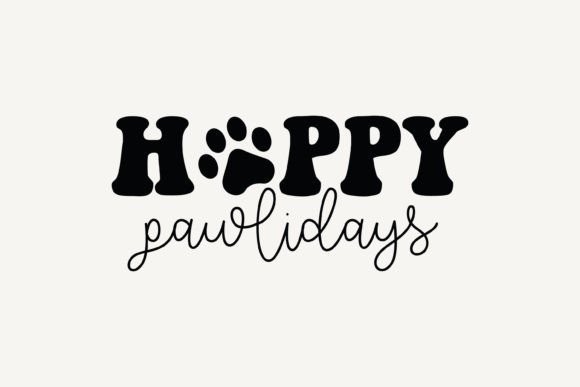
The first thing I check in any graphic file meant for crafts or apparel is whether the lines are actually closed and the shapes are logically grouped. The Happy Holidays,Christmas SVG passes this test immediately. The lettering has a classic, balanced weight that looks like it was designed with a satin stitch in mind. The holiday motifs are distinct enough that they won’t turn into a blob of thread when reduced in scale. For an experienced embroiderer, this graphics file feels less like a simple printable and more like a ready-made digitizing map. The ability to swap colors in seconds allowed me to pre-visualize thread palettes against dark green fleece and bright white cotton before committing a single needle to fabric. That alone saved me an hour of trial-and-error digitizing.
The mood of the design is exactly what my Etsy customers are looking for: classic, festive, and clean. It avoids the overly complex details that plague cheap vector files. There is no unnecessary clutter. Every curve and serif feels intentional. When you are running a craft business, you need designs that read clearly at a distance and hold up to the scrutiny of a close-up inspection. This file does both.
Real-World Performance: From Digital Preview to Stitched Product
I tested the Happy Holidays,Christmas SVG across three different product categories to see how it held up under real production pressure. Here is what I found:
- Custom Apparel (Sweatshirts & T-Shirts): The vector outlines converted beautifully to a fill stitch layout. I ran a test on a heavy cotton sweatshirt, and the letters maintained their crisp edges. The design has a natural visual weight that sits well on a adult chest or a back yoke. It doesn’t feel cramped.
- Tote Bags & Home Decor: This is where the SVG really shined. I digitized the file for a run of canvas tote bags and linen pillow covers. The open spaces within the design allowed for a light stitch density that kept the fabric from puckering. For tea towels and aprons, the Happy Holidays,Christmas SVG provided a straightforward digitizing path that didn’t require extensive manual editing of underlay or pull compensation.
- Patches & Mini Hoops: Because the file includes clean vector shapes, I was able to isolate the holiday motifs and create small embroidered patches. The file’s structure allows for easy editing—I removed the text for one project and used only the icon elements for a set of baby onesies. That kind of flexibility is rare in stock SVG files.
The 300 DPI specification in the included file is a nice touch for those wanting to use the design for printable mockups or sublimation on mugs and coasters. As a designer, I appreciate having a single source file that bridges the gap between my digital product listings and my physical sewing studio.
Where Precision Meets Caution: Practical Use Notes
No design is perfect for every scenario, and an honest review must address where the Happy Holidays,Christmas SVG requires a careful hand. Because this is a vector graphic rather than a native embroidery file (like .PES or .DST), the responsibility falls on the user to convert it wisely.
- Small Hoop Sizes & Tiny Lettering: If you shrink this design down to fit a 4x4 hoop for a cap or baby item, the thinner strokes may become too narrow for a clean satin stitch. I recommend testing a scaled-down version on scrap fabric first. If the lines are under 1.5mm in your digitizing software, consider using a running stitch or a lighter fill density to avoid thread breakage.
- Textured & Stretchy Fabrics: Fleece and heavy terry will swallow the details if you do not add a dense underlay. The design has clean open areas, which is good, but those areas require a solid foundation. I paired it with a cutaway stabilizer for a performance fleece jacket, and the result was stable and professional.
- Dark Fabric Backgrounds: The SVG is 100% color changeable, which is fantastic for mockups. However, ensure your converted stitch file has adequate coverage. A low-density fill against a black sweatshirt can leave gaps. Bump up your stitch density by 10-15% when working on dark bases, or add a white underlay to keep the colors vibrant.
- Curved Surfaces (Caps & Beanies): The full layout with extended text may distort on a curved cap surface. I suggest splitting the design into a top motif and a bottom text arc in your digitizing software, or using the SVG as a guide to create a custom curved layout.
Commercial Value: Trust, Giftability, and Brand Consistency
For small shop owners and Etsy sellers, the visual presentation of a handmade product determines whether a browser becomes a buyer. The Happy Holidays,Christmas SVG gives your finished item that polished, branded look that customers trust. When I used it for a personalized gift order—matching aprons for a family cookie decorating night—the client specifically commented on how professional the lettering looked.
This design asset also shines in your online store. I used it to generate a set of printable mockups for my holiday collection. The ability to swap the background color and thread colors in the SVG meant I could create cohesive listing images without hiring a photographer for every single variation. It reduces the friction between creating a product and displaying it effectively.
If you sell digital embroidery files or finished custom apparel, having a source file that is this clean makes your workflow faster. You are not fighting bad vectors or weird anchor points. You are spending your time on the stitching, which is where the real value lies.
Quick Checklist Before You Digitize
- Test the scale: Print the SVG at actual size and place it on the garment to confirm placement and proportions.
- Verify stitch density: After converting to an embroidery file, check that fills are dense enough to cover your fabric but not so dense that they cause puckering.
- Check contrast: Use the color change feature to mock up thread colors against your chosen fabric. Light thread on white fabric can be hard to read.
- Confirm licensing: Always verify that the SVG allows commercial use in your finished products. Most standard graphics files do, but it is a fundamental step for a legitimate craft business.
- Stabilize properly: A tear-away stabilizer works for stable wovens. Use a cutaway for knits and stretch fabrics to protect the stitch integrity over time.
In a market flooded with low-effort design files, the Happy Holidays,Christmas SVG stands out as a tool built for the maker who cares about craftsmanship. It earns its place in the production queue, and it gives the embroiderer the creative freedom to adapt, personalize, and sell with confidence. Whether you are stitching it onto a sweatshirt, printing it on a mug, or digitizing it for a boutique patch, this file respects your time and your artistry.