We Woof You a Merry Christmas: Design Review
Every holiday season, I dig through hundreds of files looking for designs that balance charm with real commercial viability. Finding a dog-themed Christmas graphic that isn't overly cartoonish or structurally messy is rare. "We Woof You a Merry Christmas,Christmas" lands in that sweet spot. As both a vector graphic and a potential source file for embroidery, it brings a lot to the table—provided you know how to handle it. Let's break down what works, what needs a second look, and how to use this across your craft business.
First Impressions and Visual Mood
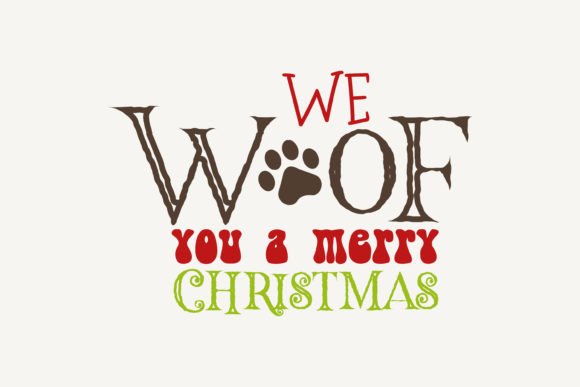
The first thing I noticed is the clever wordplay and clean layout. It immediately signals a designer who understands typography and spacing, which makes my job easier when converting it for different mediums. The "Crafts" category is fitting, but it also holds its own as a premium "Graphics" asset for custom apparel. The mood is playful yet polished, making it suitable for everything from a high-end boutique sweatshirt to a fun holiday mug. The layout feels balanced, allowing the text to breathe and the festive spirit to shine through without feeling cluttered.
Why the Vector Format Matters for Embroidery
The inclusion of EPS and SVG files is a massive green flag for anyone doing machine embroidery. Starting with a clean vector path saves hours of cleanup in digitizing software. You can easily change the 100% color changeable palette to match your thread stock, swapping standard red for a specific brand like Madeira or Isacord red. The 300dpi resolution ensures that if you're printing transfers for sublimation or screen printing, the edges will be razor-sharp. For embroiderers, this means cleaner auto-digitizing results or a rock-solid foundation for manual digitizing. Having a source file eps or svg ready to go means you skip the tracing step entirely.
The Custom Sweatshirt Project
I applied this design to a custom embroidered sweatshirt for a client who owns a pug. The "We Woof You" lettering is bold enough for a satin stitch, but I advise caution with fine serifs. I recommend a fill stitch density of 0.4mm to 0.5mm on the letters to prevent them from sinking into fleece or thick sweatshirt material. The layout naturally fits a 5x7 hoop, which is ideal for chest placement. Using a cut-away stabilizer is non-negotiable here to stabilize the knit fabric and prevent puckering over time. The final result had excellent stitch clarity and the client loved the personalized touch.
The Sturdy Tote Bag
For a tote bag design, this graphic shines. The layout creates a balanced focal point that works beautifully on canvas or cotton. Because tote bags have minimal stretch, I used a medium-weight tear-away stabilizer. Testing a black canvas tote, the white and red thread colors popped perfectly against the dark background. The clean vector paths made it easy to add a satin stitch border, giving the finished piece a professional, boutique feel that would do well at a holiday market.
The Embroidered Patch
This is where the SVG file really earns its keep. I imported the vector into my digitizing software, created a satin stitch border around the text, and used a tatami fill for the background. The result was a high-quality embroidered patch that looked professional enough to sell. The clean outlines mean the applique design potential is also high—you could easily cut fabric shapes directly from the SVG layers. This versatility makes it a smart asset for anyone running a small shop product line.
Where to Apply Caution
No design is perfect for every surface. Here are the specific areas where you need to slow down and test before committing to a finished product.
- Small Hoops (4x4): The full phrase might be a tight squeeze. You may need to scale it down, which can alter your stitch density and cause distortion. Always verify your hoop size before finalizing the digitizing.
- Dark Fabrics: On a black hoodie or dark navy tee, you will need a white underlay or a thick enough thread weight, such as 40wt or 30wt rayon, to prevent the fabric color from peeking through the design.
- Baby Items: For baby embroidery, the standard size might be too large for a newborn onesie. Scale it down carefully and reduce your density to maintain fabric softness and avoid distorting the tiny details.
- Stretchy Fabrics (T-shirts): Designs with open negative space can pucker on unstable knits. Use a cut-away stabilizer and a light ballpoint needle to prevent distortion layers.
- Commercial Licensing: The provided product details do not explicitly cover commercial resale of the finished item. If you plan to sell the embroidered goods or the digital embroidery file itself, confirm you have the right to do so under the asset's usage terms.
Maximizing Product Value and Customer Trust
When you present a finished product using this design, you are selling a feeling. The pun creates an instant connection with dog lovers, making it an excellent personalized gift. The handmade product aspect adds a layer of care that big-box retailers cannot match. For Etsy sellers, listing an embroidered "We Woof You" holiday item can command a higher price point because it feels bespoke and timely. Your buyers aren't just getting a sweatshirt; they are getting a conversation starter.
To maximize this value:
- Use high-quality thread colors that match the holidays: a rich crimson red, a deep forest green, and a metallic gold for accent details.
- Offer it on a variety of bases: aprons for baking gifts, pillow covers for home decor, or mug cozies for drinkware.
- Use the "Printable Mockup" strength of this graphic to generate a visual of your finished product before stitching. This saves production time and allows you to market the item ahead of manufacturing.
Practical Designer Notes for Embroidery
Before you commit this to a client project or add it to your own product line, follow these essential steps.
- Test on Scrap Fabric: Always run a test stitch-out on fabric similar to your final product. Look for gaps in the satin stitches or areas of overly dense fill that could cause the fabric to bird-nest.
- Check Thread Color Contrast: The design is 100% color changeable, but contrast is critical. Use a digital mockup to preview light thread on light fabric before wasting materials.
- Review Stitch Density: If you auto-digitized from the SVG, inspect every path. Manually adjust density to suit your specific fabric type, whether it is a dense canvas or a lightweight cotton.
- Use Proper Stabilizer: Match the stabilizer to the fabric. Cut-away for knits, tear-away for wovens, and water-soluble for free-standing lace or patches.
- Consider the End User: Is this a personalized gift or a stock item? For gifts, offer a range of thread color options. For stock, stick to classic holiday palettes that appeal to the widest audience.
The Verdict: Is It Ready for Your Shop?
"We Woof You a Merry Christmas,Christmas" is a strong addition to your holiday design assets. It bridges the gap between digital graphics and tangible embroidery beautifully, provided you respect its vector nature and take the time to convert it properly. It is versatile enough for both print-on-demand and traditional machine embroidery, which makes it a smart investment for any small shop product line or craft business.
The strengths are clear: High-quality EPS and SVG source files, easy color changes, powerful scalability, and strong emotional appeal for dog owners looking for the perfect holiday gift.
The challenges are manageable: It requires careful digitizing, a large enough hoop size for the full phrase, and a quick confirmation of the commercial license terms. Treat this design as a versatile asset, do your due diligence with a test stitch-out, and your customers will love barking about it all season long.