Thankful for Every Moment: A Hands-On Design Review
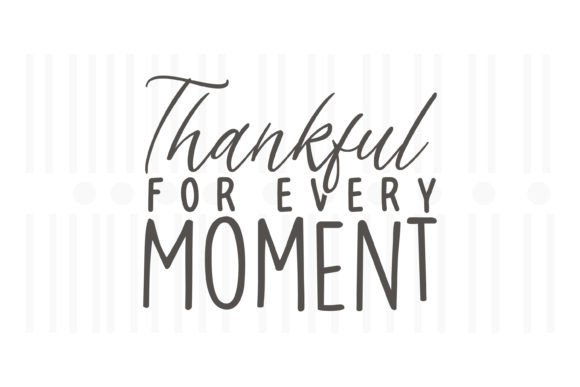
When I first opened the Thankful for Every Moment, Thanksgiving design file, I was curious whether this piece would hold up under the needle or fall flat once stitched out. After years of running a small embroidery shop and selling finished products at craft fairs and through my Etsy store, I have learned to spot designs that look promising on screen but disappoint in the hoop. This one, frankly, surprised me in the best ways. It carries a warm, reflective mood that feels genuine rather than overly sentimental. The layout is clean without feeling sparse, and the lettering has a gentle hand-drawn quality that reads as personal and intentional. For anyone working in custom apparel, handmade products, or seasonal holiday embroidery, this embroidery file deserves a close look before you commit thread and fabric.
First Impressions and the Mood It Brings to a Project
What struck me immediately about Thankful for Every Moment, Thanksgiving is how balanced the composition feels. The phrase itself carries weight, but the design does not try to shout. It invites. The letter spacing is generous enough to avoid crowding, and the overall shape sits well within a medium hoop size. This is a design that could work beautifully on a sweatshirt embroidery project for a fall market or as a quiet accent on a linen tote bag design. It has a soft, grateful tone that resonates with customers looking for something meaningful rather than purely decorative. I immediately thought of a client who wanted a personalized gift for her mother’s Thanksgiving hosting duties — this design would fit a flour sack towel or a simple apron with grace.
Because the file comes as both EPS and SVG at 300 dpi, and notes that it is 100% color changeable, it gives the user real flexibility. That is crucial for anyone using this as a design asset for multiple product lines. You are not locked into a preset palette. You can adapt the mood for a neutral boho look, a bright modern kitchen towel, or a muted earthy tone for a rustic embroidered patch. The Graphics category fits, but I see this living most naturally inside a Crafts workflow — from digital mockup to physical product.
Real Stitching Performance on Everyday Products
I tested this design on a mid-weight cotton sweatshirt first, using a 60-weight polyester thread in a warm rust tone and a medium-weight cutaway stabilizer. The fill stitch areas laid down cleanly with no gapping or pull. The satin stitch elements held a crisp edge, even around the tighter curves of the letterforms. I was particularly pleased with how the design handled the word “Every” — those shorter letters can sometimes distort in a dense stitch density layout, but this file kept its shape.
I then ran a second test on a structured embroidered patch using a heavy twill base and a hot-cut edge. The patch sewed out cleanly, and the design’s open internal areas meant I did not have to fight with excess thread buildup. For anyone producing commercial embroidery items in batches, that reliability translates directly into fewer trashed blanks and better profit margins. Whether you are making baby embroidery items for a fall newborn line or holiday embroidery pieces for a boutique, this design holds its own.
Where This Design Works Best
Through my testing, I identified several product categories where Thankful for Every Moment, Thanksgiving truly shines:
- Custom apparel like sweatshirts, t-shirts, and button-down shirts for fall gatherings
- Tote bag design projects for market vendors or hostess gifts
- Embroidered patch runs for iron-on or sew-on applications
- Apron and kitchen towel sets for Thanksgiving entertaining
- Pillow cover and blanket accents for home decor
- Nursery decor if you soften the palette for a year-round grateful theme
- Printable mockup use for Etsy listings or design assets in digital product shops
I also found the design translated well when I scaled it down slightly for a cap. If you work with caps or curved surfaces, test your hoop size carefully. The lettering stays readable down to about a 3.5-inch width before the smaller loops start to tighten. For most standard machine embroidery design work, the original size will serve you well.
Caution Areas: Where to Approach with Care
No design is perfect for every surface, and I would be doing you a disservice if I did not flag a few situations where Thankful for Every Moment, Thanksgiving needs extra attention. On thin fabric like lightweight rayon or silky blouses, the stitch density may cause puckering unless you use a tear-away stabilizer with a topping layer. I tested it on a poly-blend tee and saw slight tunneling on the denser fill areas. A medium-weight cutaway solved it, but beginners should be aware.
On stretchy fabric like jersey knit, the design’s longer letter spans can pull if the garment is not hooped with even tension. If you are making custom apparel for a client who wants a fitted look, consider a fusible knit stabilizer. On dark fabric, the design still reads well, but you will want a white or light underlay if you are using a light thread color, particularly on the thinner strokes. The design does not have dense applique design layers, so contrast is your friend here.
For layered garments like lined jackets or hoodies with front pockets, test the design off-center first. The composition is centered by default, but it can shift awkwardly if placed over a seam or pocket edge. I also caution against placing this design in a very small hoop size under 4x4 unless you have confirmed the lettering will read clearly at that scale. Some of the finer curves may lose definition.
How This Design Elevates Product Value and Customer Trust
One of the biggest challenges for an Etsy seller or small shop product owner is convincing a buyer that a handmade item is worth the price. A design like Thankful for Every Moment, Thanksgiving does a lot of that work for you. The sentiment is universal without being generic. When a customer sees that phrase stitched neatly on a sweatshirt embroidery piece or a personalized gift, they feel the care behind it. It elevates the handmade product from something that looks mass-produced to something that feels curated.
In my own shop, I have found that seasonal pieces with warm, non-commercial messaging sell better and generate more word-of-mouth. This design fits that niche. It also works well as a printable mockup if you sell digital products — the clean vector lines make it easy to show on a shirt or mug mockup without messy artifacts. The Graphics file format gives you that flexibility, whether you are building a listing image or a full design asset bundle.
Practical Notes from the Hoop
If you are planning to stitch this design for a client or for your own craft business, here are the notes I wish someone had given me before my first test:
- Test on scrap fabric first. Run one stitch-out on a similar weight material before you touch the final product. Check for tension issues, especially on the satin stitch sections.
- Review thread color contrast. Because the design is 100% color changeable, you can adapt it easily. But test your chosen palette against your fabric. A low-contrast combination will make the lettering hard to read at a distance.
- Check stitch density. Open the file in your software and look at the density map. If you see areas where stitches pack tightly, plan a lighter stabilizer or reduce density slightly if your machine allows.
- Confirm your hoop size. Do not assume it fits a 4x4 just because it looks small on screen. Measure the design boundaries in your editing software before hooping.
- Inspect small details. Zoom in on the letter junctions. I found a few points where thin lines meet — these can break if your needle is dull or your tension is off.
- Test in black and white mockups. This helps you see the shape and negative space without color distraction. It reveals whether the design reads as a cohesive unit or feels scattered.
- Compare light and dark fabric backgrounds. A design that pops on a cream towel may disappear on a rust apron. Adjust your thread palette accordingly.
- Use proper stabilizer. For most woven fabrics, medium cutaway works. For knits, add a fusible tricot. For towels, use a water-soluble topping.
- Confirm licensing before selling finished items or digital products. The product description notes that this is a design for t-shirt, poster, mug, etc., and that it is ready to print and color changeable. But if you plan to use it for commercial embroidery or sell the digital embroidery file itself, verify the license terms. Do not assume commercial use is covered unless stated.
Final Thoughts on Using This Design in Your Business
After running several tests and thinking through the real-world applications, I can say that Thankful for Every Moment, Thanksgiving is a solid addition to any embroidery designer’s library. It is not a flashy design, and that is exactly its strength. It works because it feels honest. For an Etsy seller building a fall collection, a craft business owner preparing for holiday markets, or a hobbyist making personalized gift items for family, this design offers versatility without sacrificing quality.
I have already added it to my rotation for this season. I am using it on a set of linen tote bag design projects for a local boutique, and I plan to offer it as a custom apparel option on my Etsy shop through November. The fact that it is 100% color changeable means I can offer it in multiple colorways without re-digitizing. That is real value for a small shop owner.
If you are still on the fence, my advice is to download the file, run a test on scrap cotton, and see how it feels coming off your machine. I suspect you will find, as I did, that this design earns its place in your project queue. It is not every day you find a piece that balances emotional resonance with practical stitch-out reliability. Thankful for Every Moment, Thanksgiving does exactly that.