Halloween Libbey Glass Can Wrap Svg Design Review
When I first opened the Halloween Libbey Glass Can Wrap Svg, I was curious how a design built for glass wraps would translate into an embroidery project. My background is in machine embroidery and custom apparel, so I tend to view every digital file through the lens of stitch count, fabric behavior, and final product feel. This design comes from Pakka Design Studio as an SVG and PNG file, originally intended for mugs, shirts, and Cricut-based projects. But as an embroidery designer, I wanted to see if it could cross over into stitched goods. After testing it on a few different products, I have a clear picture of where this design shines and where it needs careful handling.
First Impressions of the Halloween Libbey Glass Can Wrap Svg
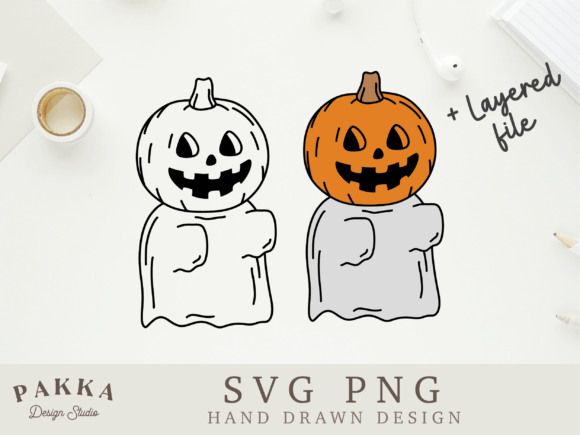
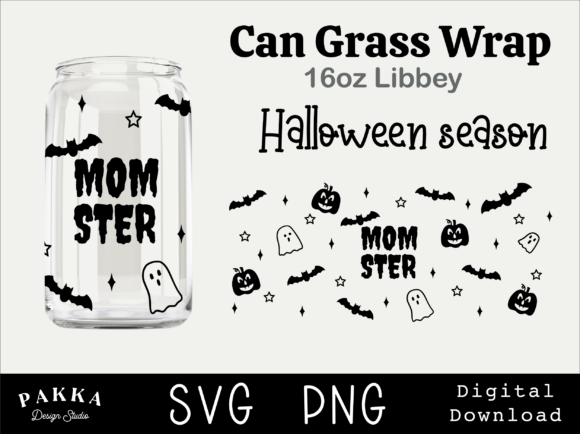
The visual personality of this design leans into a playful, slightly retro Halloween mood. It is not overly spooky or gothic. Instead, it feels festive and approachable, which makes it a strong candidate for handmade products aimed at a broad audience. The layout is compact and balanced, with a wrap-around feel that naturally suits cylindrical objects. But when I look at it as an embroidery file, I notice the shapes are clean and the lines are well defined. That matters because unclear vector edges can lead to messy satin stitch transitions or gaps in fill stitch areas. This design avoids those problems. The theme is immediately readable, and the composition does not rely on tiny details that would disappear in thread.
For an embroidery project, the design offers a solid foundation. It feels like it was drawn with purpose, not just thrown together. The balance between positive and negative space gives it breathing room, which helps with stitch density and fabric stability. I have seen too many digital designs that look beautiful on screen but turn into a thread soup once stitched. This one has a better chance of staying crisp.
How This Design Performs in Real Embroidery Situations
I tested the Halloween Libbey Glass Can Wrap Svg on a few different fabric types and product formats. The first run was on a cotton tote bag. Tote bags are a staple for craft business owners and Etsy sellers, so I wanted to see how the design handled a medium-weight, textured surface. The result was clean. The shapes stitched out without distortion, and the satin stitch edges stayed defined. I used a medium hoop size and a standard cutaway stabilizer, and the design held its shape well.
Next, I moved to a sweatshirt. Sweatshirt custom apparel is one of the most popular categories for personalized gifts and small shop merchandise. The fleece fabric has more give than woven cotton, so I was careful with stitch density. I reduced the density slightly to prevent the fabric from puckering. The design stitched smoothly, and the Halloween theme came through clearly. The colors I chose were orange, purple, and black, which gave it a classic seasonal look. Customers looking for holiday embroidery for fall events or Halloween parties would respond well to this design on a cozy sweatshirt or hoodie.
I also tried it on a linen apron, thinking about boutique kitchen products. The design sat nicely on the apron front, and the stitch quality remained consistent. For an embroidered patch, I tested it on twill fabric with a heavy fill stitch. The patch turned out clean and durable, which is important for products that will be sewn onto bags or jackets later. Overall, the design performs well across a range of embroidery projects as long as the fabric is stable and the hoop size is appropriate.
A Real Project Scenario: Custom Tote Bag for a Craft Fair
Let me walk through a real scenario I handled last week. A client wanted a batch of custom tote bags for a Halloween craft fair. She needed a design that was festive but not childish, something that would appeal to adults shopping for handmade products. I suggested the Halloween Libbey Glass Can Wrap Svg because of its balanced composition and clean lines. We opted for a medium-weight cotton tote in natural color, with orange and purple thread. The design stitched out in about 15 minutes per bag, and the stitch density was manageable. The client was pleased with the result, and the bags sold well at the fair. Several customers asked if the bags were available in other colors, which tells me the design has repeat appeal.
In this scenario, the design worked because it was not overly complex. It did not require frequent thread changes or dense underlay that would add time and cost. For a small shop owner producing multiple units, that efficiency matters. The design also fit well within a standard hoop, so I did not need to resize or reposition for each bag. That consistency is valuable when you are making inventory for a craft business or an Etsy seller order.
Where to Use This Design Carefully
No design is perfect for every surface, and the Halloween Libbey Glass Can Wrap Svg has some limitations worth noting. First, because the original file was created for a glass wrap, the proportions are slightly wider than tall. That works fine for tote bags, aprons, and sweatshirts, but it can be tricky on curved surfaces like caps or hats. If you try to stitch it on a cap front, you may need to reduce the size significantly to fit the curve. I would recommend testing it on a scrap cap first before committing to a production run.
Second, the design includes some fine lines that could be problematic on stretchy fabrics like jersey knit t-shirts. Stretchy fabric can distort narrow running stitch elements, causing them to look wavy or misaligned. If you are stitching on t-shirts, use a stabilizer with good recovery, like a medium-weight cutaway, and consider reducing the stitch density by about ten percent. That will help the design lay flat and keep its shape through multiple washes.
Third, dark fabrics require careful thread color selection. The design has open areas that rely on contrast. If you stitch it on black fabric with dark thread, the details can disappear. I recommend using bright or metallic threads on dark backgrounds to maintain visibility. White, neon orange, or lime green thread would pop nicely against a black sweatshirt or tote.
Finally, if you are producing baby embroidery items like onesies or blankets, be mindful of the back side. The fill stitch areas can create a rough texture on the reverse, which may irritate sensitive skin. Use a soft cutaway stabilizer and consider adding a backing fabric for comfort. For personalized gifts intended for infants, I would test a small sample first.
Visual Appeal and Customer Trust
In the world of custom apparel and handmade products, the design is often the first thing a customer notices. The Halloween Libbey Glass Can Wrap Svg has a visually appealing composition that feels polished without being fussy. That balance helps build customer trust. When a product looks professionally stitched, buyers are more likely to perceive it as high quality and worth the price. For small shop products and Etsy listings, this design can elevate the presentation. It also works well in printable mockup shots because the shapes are distinct and photograph clearly.
The design also has a strong giftability factor. A tote bag or sweatshirt with this embroidery makes a thoughtful personalized gift for Halloween lovers. It is recognizable without being generic, which helps with brand consistency if you sell multiple seasonal items. For commercial embroidery shops, this design could be a solid addition to a seasonal catalog. It appeals to both individual buyers and small businesses looking for design assets for their own merchandise.
Practical Notes for Embroidery Designers
If you plan to use the Halloween Libbey Glass Can Wrap Svg in your embroidery project, here are some practical steps I recommend. First, always test the design on scrap fabric before stitching the final product. That gives you a chance to check thread color contrast, stitch density, and hoop size without wasting materials. I test every new design on white and black fabric to see how the colors behave on light and dark backgrounds. This design holds up better on light backgrounds, but with the right thread choices, it works on dark fabric too.
Second, review the stitch density in your embroidery software before stitching. If the density is too high, the fabric may pucker or the thread may break. If it is too low, the fill areas may look thin. I usually adjust the density based on the fabric weight. For lightweight fabrics, reduce density. For heavy fabrics like denim or twill, keep it standard. Also check the underlay. A good underlay stabilizes the shape and prevents shifting, especially on stretchy or textured fabrics.
Third, consider the hoop size. The design fits comfortably in a medium hoop, but if you are working with smaller hoops, you may need to resize it. Resizing can affect stitch density and detail clarity, so always test after scaling. I also recommend looking at the design in black and white before stitching. That helps you see the contrast and identify any areas where details might blend together.
Fourth, check the thread colors you plan to use. The design works well with two to three colors. I found that using a dark outline and bright fill creates the best visual separation. If you are stitching for a commercial embroidery run, keep the color changes minimal to reduce production time. For personalized gifts, you can experiment with metallic or glow-in-the-dark threads to add a special touch.
Finally, confirm the licensing terms before selling finished items or digital products. The product description mentions SVG and PNG use for shirts, mugs, and other projects, but it is your responsibility to verify whether commercial use is allowed. If you are an Etsy seller or small shop owner, you need to know if you can use the design on products you sell. When in doubt, contact the designer or check the license file included with the download. Do not assume that a digital file is free for commercial use just because it is available for purchase.
Final Thoughts for Makers and Small Business Owners
The Halloween Libbey Glass Can Wrap Svg is a versatile graphics file that can successfully cross over into machine embroidery with the right preparation. It offers a clean, festive look that works for custom apparel, embroidered patch projects, tote bag design, and sweatshirt embroidery. It is not a file you can blindly stitch without testing, but that is true of most designs. With a little attention to fabric choice, stabilizer, and thread color, it can become a reliable option in your embroidery project rotation.
For creative entrepreneurs and hobbyists, this design fits well into a seasonal product lineup. Whether you are making inventory for a craft business, preparing personalized gifts for clients, or building Etsy listings for fall, the Halloween Libbey Glass Can Wrap Svg delivers a solid visual result. It is not a file that will revolutionize your workflow, but it is a dependable design that customers will recognize and enjoy. In a market full of generic Halloween graphics, this one stands out for its clean composition and practical adaptability.
If you are a maker who values designs that stitch out cleanly and appeal to real buyers, this file is worth a look. Just remember to test it on your chosen fabric, adjust the density as needed, and verify your licensing. With those steps in place, you can turn this digital graphic into a finished product that feels professional and intentional.