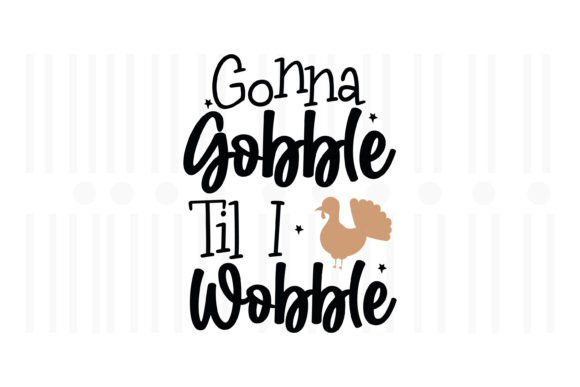
Gonna Gobble Til I Wobble, Thanksgiving
When a new embroidery design lands in my inbox, I do not open it, glance at the preview, and call it production ready. I take it through the same process I use for every client project and every item I list in my own shop. I test the spacing, the shape, the color flexibility, and the overall feel on real fabric before I commit thread to a final product. So when I opened Gonna Gobble Til I Wobble, Thanksgiving, I was genuinely curious how this playful phrase would hold up when stitched onto something people actually want to wear, gift, or buy at a holiday market.
The first thing that stood out was the tone. This design does not try to be elegant or sentimental. It leans into humor, and that honesty is what makes it work for a surprising range of projects. The phrase feels like something you would see at a family dinner or a Friendsgiving gathering, and it carries a warmth that is hard to fake. As a designer who spends a lot of time evaluating whether a file will connect with buyers, I can tell you that this kind of personality is valuable. It tells me immediately what product categories it belongs in and what kind of customer will pick it up.
What This Design Brings to a Holiday Collection
This file fits naturally into the Crafts and Graphics categories, but its real strength shows when you move it into machine embroidery. The download includes EPS and SVG formats at 300 dpi, which means I can open the vector, adjust colors, and prepare it for digitizing without cleaning up messy outlines. The listing says it is ready to print and one hundred percent color changeable, and both points hold true when you work with the source file. For an embroidery project, I treat the SVG as my starting point and convert it into a stitch file in my digitizing software. Clean vector paths make that conversion smooth, and I appreciate not having to redraw or simplify the artwork before I even begin stitching.
For anyone running a small shop or an Etsy store, this dual-purpose format saves real time. You can use the same vector file for your embroidered products and for your printable mockups. That consistency helps your listings feel cohesive, and it means you are not juggling two different design files for the same product. I have worked with enough digital assets to know that a single graphic that transfers cleanly between embroidery and print is rare. Most files need adjustments. This one arrives ready for both paths.
Stitching It Out on Real Products
I stitched a sample of Gonna Gobble Til I Wobble, Thanksgiving onto a mid-weight cotton sweatshirt in a natural cream color. I chose a satin stitch for the main lettering and a subtle fill stitch for any solid accents. The lettering is bold enough that the details remain crisp even at a moderate hoop size. I worked with a five by seven hoop, and the design sat comfortably within that frame with enough room to center it on a left chest or position it on a back panel. On a tote bag, the same size looked balanced and readable from a few feet away, which matters when you are displaying products at a craft fair and customers are scanning from a distance.
I also tested it on a linen kitchen towel for something more delicate. I reduced the design slightly and used a lighter stabilizer. The satin stitch held its shape without puckering, and the thread colors popped against the natural linen texture. For a personalized holiday gift, this design works well on towels, aprons, and even pillow covers. The humor makes it giftable without feeling overly sentimental, and that is a sweet spot for many buyers who want something festive but not sappy.
On a cap, I had to be more deliberate. Curved surfaces require smaller designs and careful stitch density, and this design has enough lettering that scaling it down too much could make the smaller characters lose clarity. I recommend testing it on a flat surface first and then moving to caps once you are confident in the digitizing. For commercial embroidery, this design is versatile enough to produce in small batches for holiday orders without overwhelming your workflow.
I also imagined how this would look on a child's onesie or a baby bodysuit for a Thanksgiving photo prop. The playful wording fits that application well, but I would reduce the size and use a soft stabilizer to keep the back comfortable against sensitive skin. If you are stitching for babies, test the design on a scrap of the same fabric first and check the back for any roughness.
Where This Design Needs Careful Handling
No design works on every surface, and I always tell my students and clients to test before they commit. Gonna Gobble Til I Wobble, Thanksgiving performs best on medium to heavy fabrics. On very thin or stretchy materials like lightweight jersey, the satin stitch can pull if the stabilizer is not heavy enough. I suggest using a cutaway stabilizer for knits and a tearaway for wovens. If you are working with a delicate fabric, reduce the stitch density and test a smaller version first.
Dark fabrics also need attention. The design is fully color changeable, so you can swap thread colors to ensure contrast. But if you are stitching on a black or navy shirt, check your digitizing software for underlay options that prevent the fabric from showing through the stitches. A bright thread on a dark background looks sharp, but only if the density and underlay are set correctly. I always run a grayscale mockup before I stitch to confirm that the design reads well without color cues.
For curved surfaces like caps or small hoops under four by four, the design may need scaling. The phrase has enough length that shrinking it too much could make the smaller letters harder to read. I recommend keeping the hoop size at five by seven or larger for the best readability. If you only have a four by four hoop, you might need to split the design or choose a different layout. This is not a flaw in the file itself. It is simply a reality of working with longer text in embroidery.
Layered garments also require thought. If you are stitching this design onto a hoodie with a thick fleece lining, make sure your needle can penetrate all layers cleanly. Test on a scrap piece of the same garment material before you stitch the actual product. A skipped stitch on a final product is frustrating, and it is almost always avoidable with a proper test run.
Visual Appeal and Business Value
In my experience, buyers respond to designs that look finished and intentional. Gonna Gobble Til I Wobble, Thanksgiving has a clean, modern feel that does not look homemade in a careless way. It looks like someone thought about the spacing and the rhythm of the letters. When I stitched it out and held it up, the first thing I noticed was how balanced the layout felt. That matters for a product you are selling, because customers judge quality in the first few seconds. A well-spaced design with clean satin stitches signals that you care about your work, and that builds trust.
For small shop owners, this design can be used across multiple product types without feeling repetitive. You could sell it on a sweatshirt, a tote bag, a coffee mug, and a tea towel, and each version would feel unique because the substrate changes the character of the stitch. The color changeable feature lets you match thread colors to different blanks, so you can offer custom options without starting from scratch each time. That kind of flexibility is practical when you are managing inventory for a holiday season.
On the digital product side, the SVG and EPS files are useful for creating printable mockups for your Etsy listings. A good mockup can improve how your shop looks to potential buyers. Having the source file in vector format means you can adjust the colors to match your brand palette before you ever stitch a single item. That is a practical advantage for anyone selling finished products or digital assets. It also means you can preview the design on different backgrounds without stitching each version.
Practical Notes for Designers and Shop Owners
Before you load this design into your machine, here are a few steps I take with every new file. First, I open the SVG in my vector software and check the paths. The listing says the file is three hundred dpi and fully color changeable, so I confirm that each color area is a separate, closed path. Then I bring it into my digitizing software and assign stitch types. For this design, I used satin stitch for the main lettering and a light fill stitch for any solid sections. I run the stitch simulation to check for gaps or overlaps before I cut thread.
I also run a black and white mockup to see how the design reads without color. If it looks clear in grayscale, it will look clear in thread. I test it on both light and dark fabric backgrounds in my software to anticipate contrast issues. Then I stitch a sample on scrap fabric that matches the final product. I check the back of the stitching for tension loops or loose threads. I inspect the lettering for any distortion, especially in rounded characters like the G and the b. I look at the density to make sure the stitches are not so tight that they pull the fabric.
On the licensing side, I always remind other designers to confirm the terms before selling finished items. The product description does not specify commercial use rights in detail, so I recommend contacting the seller or checking the listing carefully. If you plan to sell embroidered products using this design, make sure you have the right to do so. The same applies if you are reselling the digital file itself. Respecting licensing keeps your business professional and protects your reputation with customers and platforms.
I also recommend testing the design in different hoop orientations. Sometimes a design that looks perfect centered on a sweatshirt feels off when placed on a tote bag or a cap. Move it around in your software and see how it fits the product shape. A small adjustment in placement can make a big difference in how professional the final item looks.
Why This Design Earns a Place in Your Holiday Work
Gonna Gobble Til I Wobble, Thanksgiving is a solid addition to any holiday collection. It balances humor with clean design, and it works across embroidery, print, and digital product categories. Whether you are stitching a batch of tote bags for a craft fair, personalizing gifts for family, or building your Etsy inventory for the season, this file gives you a flexible starting point. The color changeable vector format saves time, and the readable lettering makes it suitable for both apparel and home decor. Test it on your preferred fabric, choose the right stabilizer, and you will have a finished product that feels professional and genuinely fun. That combination is hard to find, and it is exactly what makes a design worth adding to your rotation.